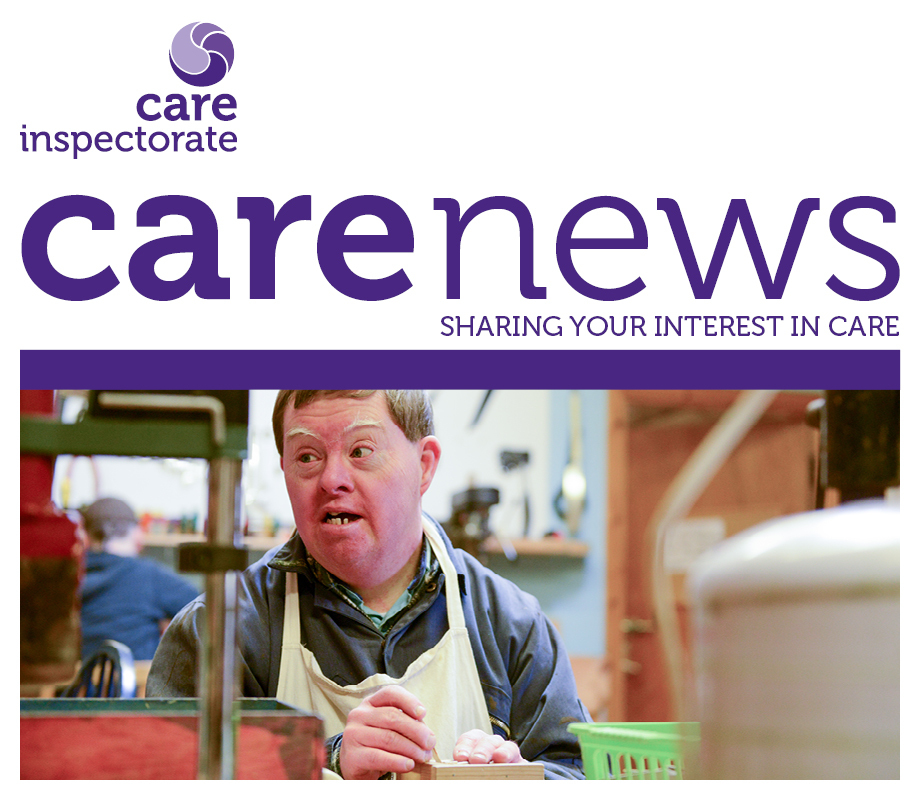
Homeless charity Cyrenians' 70 years of positive results in residential support
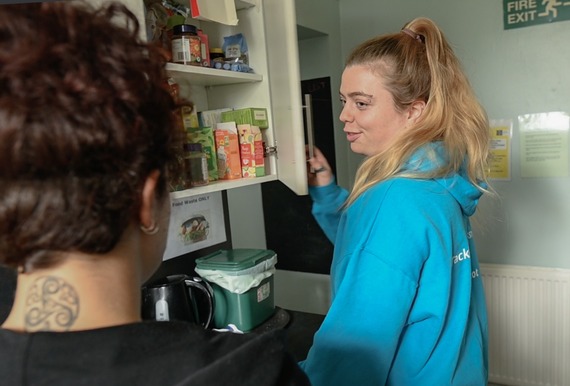
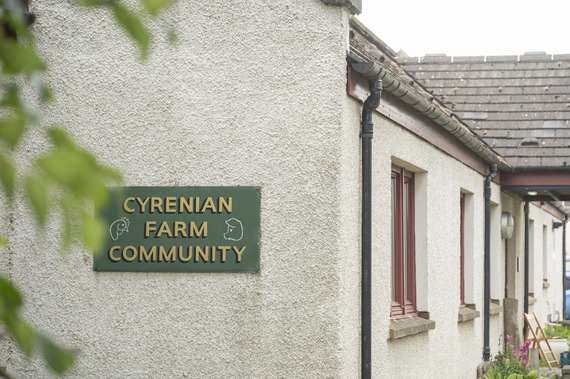
Cyrenians (The City community in Edinburgh and The Farm community in West Lothian) operates a unique model of residential support where young people who have either experienced or have been at risk of homelessness live alongside peer volunteers with support from an experienced professional staff team.
This model, called the ‘Cyrenians movement’, was formed by a group of students in the 1960s, as they believed people experiencing homelessness should not be kept apart from the rest of the community. To this day, Cyrenians believe this model of working is rare, and has provided consistent, positive results for nearly 70 years.
Many of the young people who come to the communities have been in and out of placements for much of their young lives. In some of those settings, young people are not given the opportunity to learn how to live in the ‘real world’. When they leave it can be incredibly difficult to navigate adulthood and adjust to living with people in a shared space.
The team at Cyrenians work with social work and families to ensure that their communities are the right fit for young people. They recognise some people are not ready or suited to this particular model of support. However, they creatively and regularly adapt their systems to accommodate needs where they can.
With experienced staff on hand, young people can practise living together with dedicated volunteers who are their peers. In this environment, house rules are agreed by those that live there. Knowledge is shared and young people can slowly learn and implement boundaries, relax into a safe space and plan for their future.
One young person, who has since safely transitioned into independent living said: “Living in the communities made me who I am today, it was the only place I have ever been accepted, like really accepted, for who I am, and encouraged to make something for myself. The communities will always be with me.”
All volunteers go through training. They receive daily catch up and support sessions with staff to make sure they feel comfortable and happy. Michael, former volunteer, said: “Often, when a new resident would come in, they would be really shy and tense. Then over the course of a few months, through getting to know the other residents, staff, and volunteers, you’d see them relax and become themselves again.
“I think that’s the most important thing the communities offer, they are places where people can feel normal. Since leaving, I have just found a job working for the Farm community. My time volunteering really clarified for me what I wanted to do with my life, I wanted to work with people.”
There are many benefits to this model of support. Young people learn and grow in a safe space where they can really find out who they are, and what they need. Volunteers shape their thoughts and practise to determine their next step in life. Staff are continually learning, sharing and enhancing the lives of others. Thousands of young people, volunteers and residents have gone on to live more positive lives after being a member of the City and Farm communities.
Nicole Le Blond, young person’s service manager said: “I have managed the City and Farm communities for almost a decade. Prior to that I worked in and managed hostels and other supported accommodation. I can honestly say that this model of support is by far the most effective for young vulnerable people lost in the cycle of homelessness.
“By creating an environment that feels far more like a flat share than it does a facility, we set people up to feel like an active player in their own life. As a result, young people build resilience and self-esteem in an environment where they are safe to do so.
“Homelessness is not only devastating to the person experiencing it, but also expensive for our local authorities. Services like ours which target and shape support for the needs of those most vulnerable also save money.”
L, aged 20, said: “I feel a lot less lonely; there are always people about to provide support if I need it. All the staff and volunteers are helpful, understanding and kind.”
The promise in practice
In April 2026, we inspected Netherton in East Ayrshire, a care home service for children and young people, operated by Spark of Genius. We graded this service as excellent, as we found performance which supports experiences and outcomes for people which are of outstandingly high quality. There is a demonstrable track record of innovative, very high quality performance across a wide range of their activities and from which others could learn. We were impressed with the organisation’s developments and commitment to Scotland’s promise, ensuring young people being cared for by Netherton, East Ayrshire, could grow up feeling loved, safe and respected.
Blog by Stacey Galloway, residential manager at Netherton: Netherton - more than a house, a home
At Netherton, we strive to create far more than simply a residential childcare setting, we create a loving, nurturing family home where children and young people feel safe, respected and genuinely cared for. Everything we do is centred around the needs, voices and lived experiences of our young people, ensuring they feel a sense of belonging, warmth and stability in every aspect of daily life. Guided by the values of The Promise Scotland, children’s rights, trauma-informed practice and the principles of GIRFEC, our staff team continuously reflects on how we can provide the highest standard of care while ensuring young people remain at the centre of every decision made within the home.
At Netherton, relationships are at the heart of everything we do. Our staff team recognises the importance of being caring, consistent adults who help shape and guide young people’s lives through love, nurture and trust. We understand that creating feelings of safety and security comes from the small everyday moments just as much as the bigger achievements. Whether this is supporting a young person after a difficult day, celebrating successes, sharing meals together or simply spending quality time together as a family, we aim to create an environment where children feel emotionally safe, listened to and valued.
A key focus for our team has been reducing the stigma often associated with being in care. Our young people have shared how important it is for them to feel like individuals rather than being defined by their experiences, and this has shaped the culture within Netherton. We have worked hard to ensure that language, approaches and relationships are nurturing, compassionate and empowering. Staff understand that meaningful relationships and consistent care can have a lasting impact on a young person’s confidence, wellbeing and future.
One example of this has been the redesign of our risk assessments into “Keeping Me Safe” plans, developed collaboratively with young people. Rather than professionals identifying concerns for them, young people are encouraged to share what matters to them, identify areas they would like support with and contribute to the language used throughout their plans. This has strengthened trust, promoted ownership and ensured young people feel listened to and respected.
Our young people also led an inspiring piece of work around children’s rights through the creation of a “Children’s Rights Rainbow.” The rainbow included teardrops containing emotions, experiences and examples of how staff support them daily through love, nurture, reassurance and advocacy. This powerful piece of work reflected the importance of amplifying children’s voices and recognising the positive impact that caring relationships have on their everyday lives.
Young people are actively involved in shaping the home around them. From choosing colours and furnishings to designing bedrooms, shared spaces and communal areas, they have helped create an environment that feels warm, welcoming and personal to them. The house reflects their personalities, interests and individuality, allowing it to feel like a genuine family home rather than a service.
Daily life at Netherton is built around creating positive experiences and meaningful connections. Young people are involved in menu planning to encourage healthy, balanced diets and are supported to take part in cooking meals for one another during “taster nights,” promoting independence, confidence and shared family experiences. Regular movie nights, activities, celebrations and community engagement all help create memories, strengthen relationships and encourage young people to simply enjoy being children.
We are incredibly proud of the achievements of our young people and celebrate success in all forms, no matter how big or small. Young people at Netherton have achieved awards and recognition across education, music and wider community involvement. Through engagement with local opportunities and organisations, including Cross Borders, young people have continued to build confidence, develop skills and achieve positive outcomes. One young person was recently recognised by the local authority with an outstanding achievement award, reflecting the progress, resilience and commitment they have shown across all aspects of their life.
These achievements are celebrated within our participation folder, which showcases the meaningful work completed between staff and young people and highlights the progress being made towards positive outcomes. This reflects our ongoing commitment to ensuring every child is supported to reach their full potential in line with GIRFEC principles.
By continuing to listen, reflect and grow alongside our young people, we hope to provide experiences that allow them not only to feel protected, but to feel proud of who they are and hopeful for their future.
Review of our digital social care self-evaluation toolkit
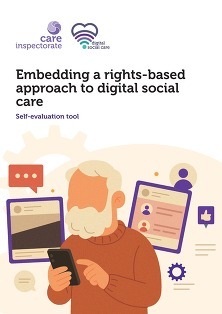
Last year, we shared our digital social care self-evaluation toolkit.
Many services told us they were interested in using it to support reflection and improvement. As technology and AI become more visible in care, understanding how tools like this support improvement is increasingly important.
We would like to understand what has happened since the toolkit was shared, including:
- whether you have used it
- how helpful it has been
- what would make it easier to use.
We have created a short survey that should take one minute to complete. Your feedback will help us understand what is working well and where we can improve the support we offer.
|
New practice note for people leaving care homes undetected and unmonitored
We have received an increasing number of notifications about people living in care homes having left the building undetected and unbeknown to staff. This has sadly led to fatalities for some people experiencing care and the potential risk of serious injury for others.
We have produced a new practice note to help prevent people leaving care homes undetected and unmonitored to help manage risk and support health and safety.
What do we mean by unrestricted visiting?
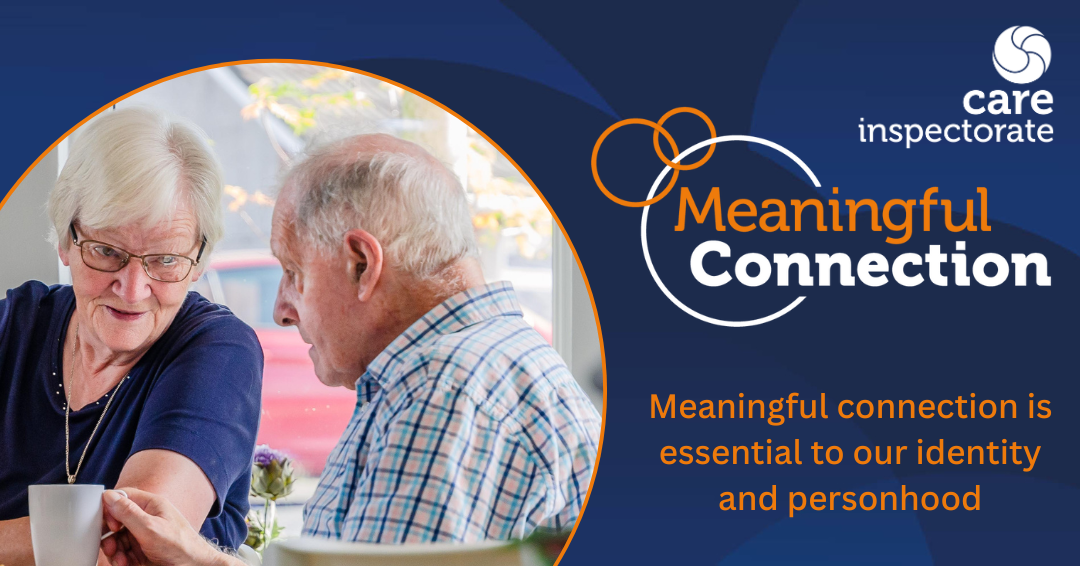
Meaningful relationships are central to people’s wellbeing, quality of life and human rights. In line with the Health and Social Care Standards and Anne’s Law, there should generally be no restrictions on routine visiting in care homes.
Unrestricted visiting means that people can spend time with those who are important to them in ways that fit with their lives and routines. This can include support with day-to-day care, sharing activities, and simply spending time together.
Manage my Service
Later this year, we are launching Manage my Service, a new single portal to replace our existing digital systems, including the digital portal and eForms.
Manage my Service will simplify how providers communicate with us, making processes more efficient and improving security, so we can all focus on what matters most: improving the quality of care for people who experience care.
- written FAQs: answers to the most common questions about the new platform
- video explainers: short, Q&A-style videos covering key topics such as "What is Manage my Service?" and "What are the benefits?"
- how-to guides: short videos and step-by-step guides on logging in, updating staff details, submitting notifications, reviewing complaints, and more
We will continue to add new resources to the web page before and after launch.
Podcasts
Our Finding the Why podcast is back for a new season! We’ve just published two new episodes in which David and Katy look at more care home case studies on reducing the inappropriate use of psychoactive medicines. They also discuss our new Practical Dementia Resources platform and explore the successes of care homes that introduced alternative therapies.
Recent publications
Webinars and events
Stay up to date with all our webinars and events on our website. You can watch recordings of our webinars on YouTube.
Enjoy this newsletter? Sign up for others!
As well as our Care News e-newsletter, we also send out vacancies updates, improvement updates and others! You can select these as a topic of interest and change your preferences anytime here.
Find out more about our work at www.careinspectorate.scot
Contact us
|